
Research
The saga of the Summer Suckers 2019-2025
Species delineation
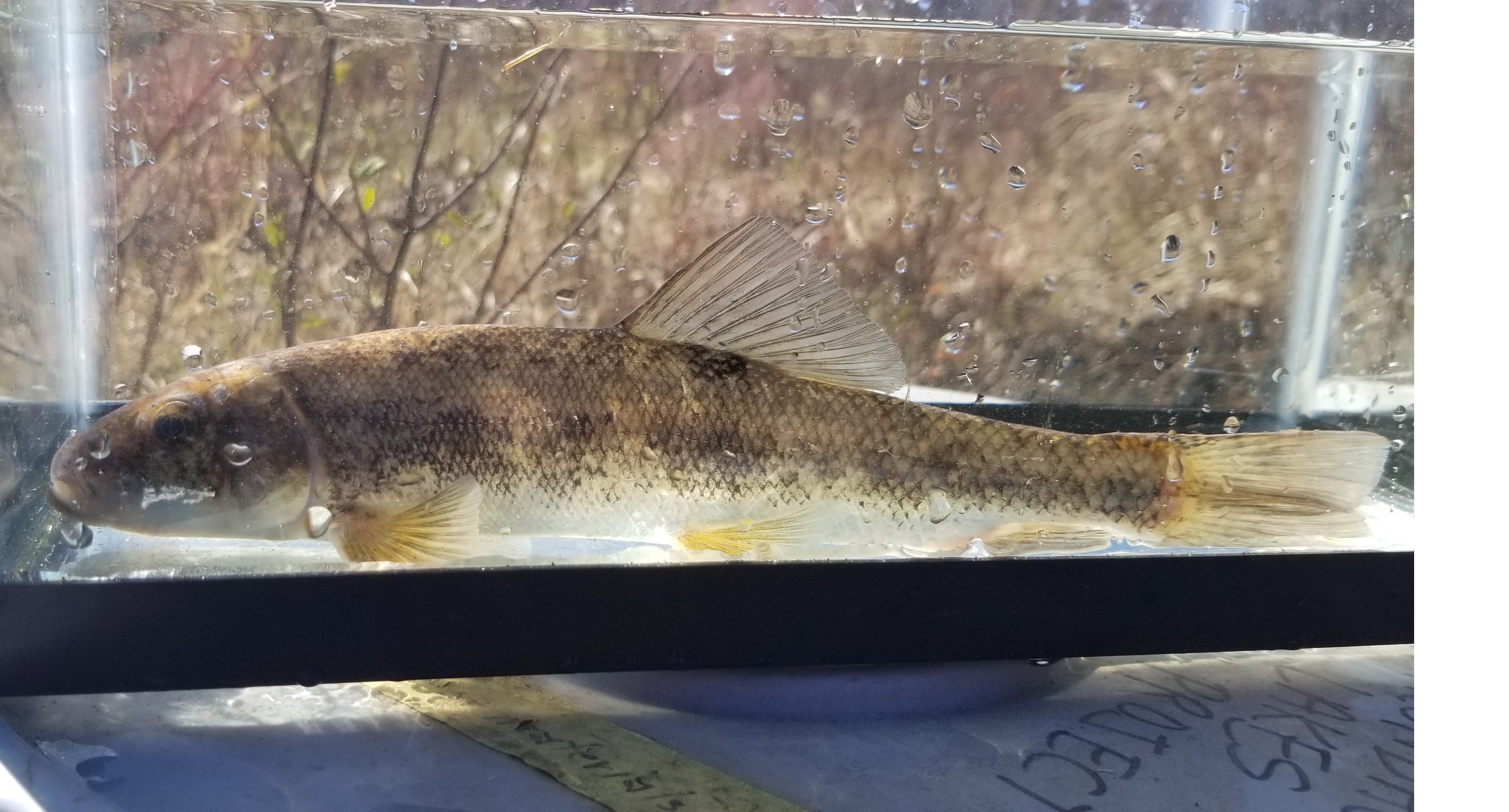 The Summer Sucker was first described in 1886 as a small, early spawning species sister the White Sucker, and endemic to the Adirondack region of New York State. Since then, it has been redescribed either as a species or subspecies 6 different times, most recently as a species in 2008. Its species status was again questioned based on inconsistent morphological characters and contradictory genetic data. We combined observational field studies with whole genome sequencing in two lakes where Summer Suckers and White Suckers co-occur to disentangle evolutionary relationships and better define diagnostic characters between the two species. We found the the Summer Sucker does not represent a distinct species, rather it represents multiple, independently evolved life history variants that converged on the same life history strategy.
Life history evolution
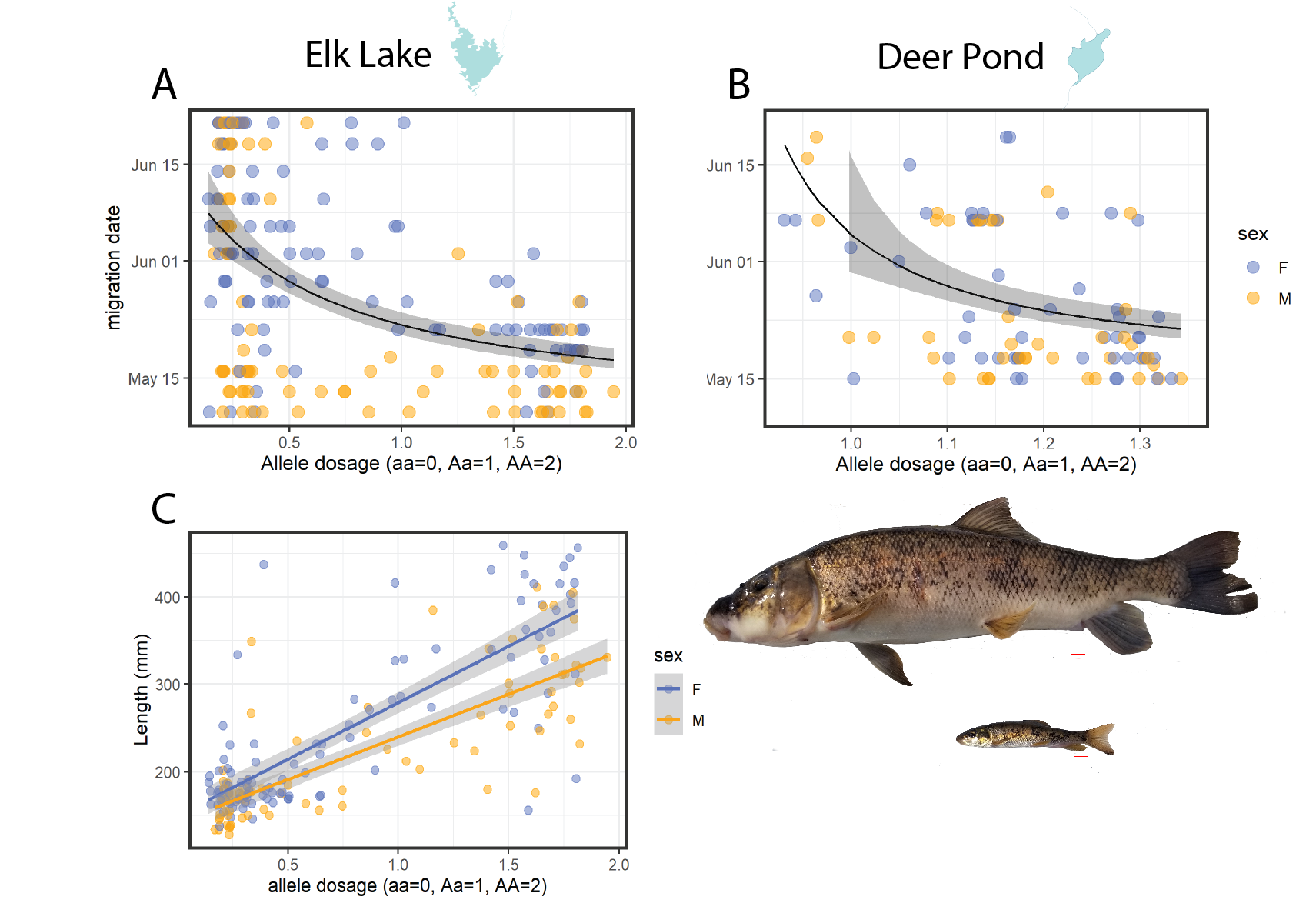 A consequence of Summer Suckers and White Suckers being synonymized under the same species is that they now represent nearly the largest variability in adult size known in fishes. Adult Summer Suckers may be as much as 100x smaller in mass than adult White Sucker individuals. Building on the phenotype-genotype data used to assess species status, we were able to attribute this size variation to differences in age-at-maturity. This divergence in age-at-maturity was convergently evolved in at least two Summer Sucker-White Sucker populations, in each case involving different genes to acheive the same life history phenotype. These genes are known to control onset of maturity in mice and atlantic salmon. Our work supports a growing understanding of how life history variation and the genomic processes underlying that variation drive divergence in fishes.
Red king crab population genomics 2022-2024
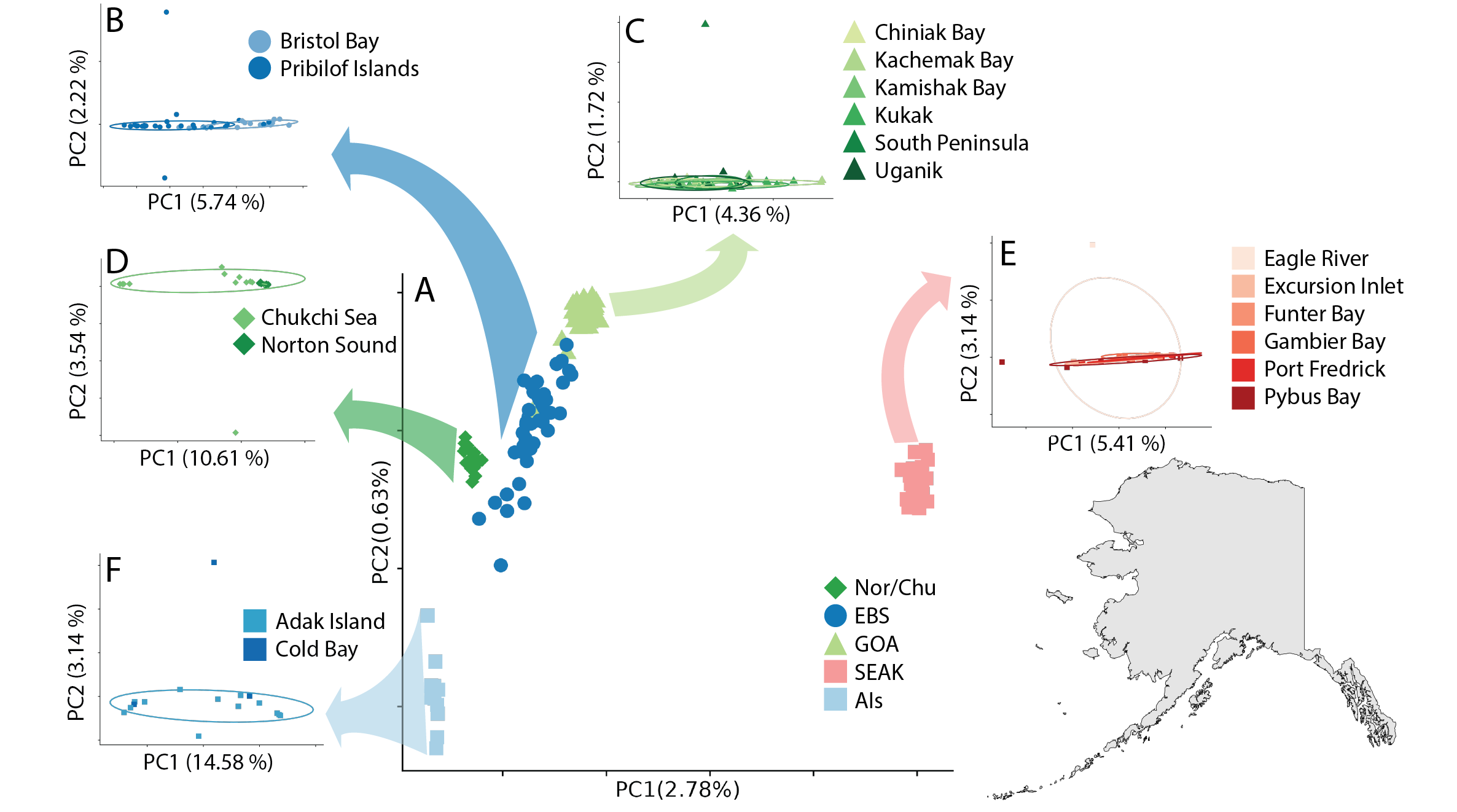 The Alaskan red king crab fishery supports fishing communities from Oregon to western Alaska and is one of the most valuable invertebrate fisheries in the US. After a fishery crash in the 1980s, most populations have rebounded, but the Gulf of Alaska (GOA) fishery remained below fishable abundance. We used low coverage whole genome sequencing to describe population structure, finding three previously undetected populations and evidence of local adaptation in the GOA population. Our findings are being used by managers to inform a stock enhancement effort aimed at rebuilding the GOA population.
Baikal sculpin radiation 2018-2019
Speciation within Cottocomephorus
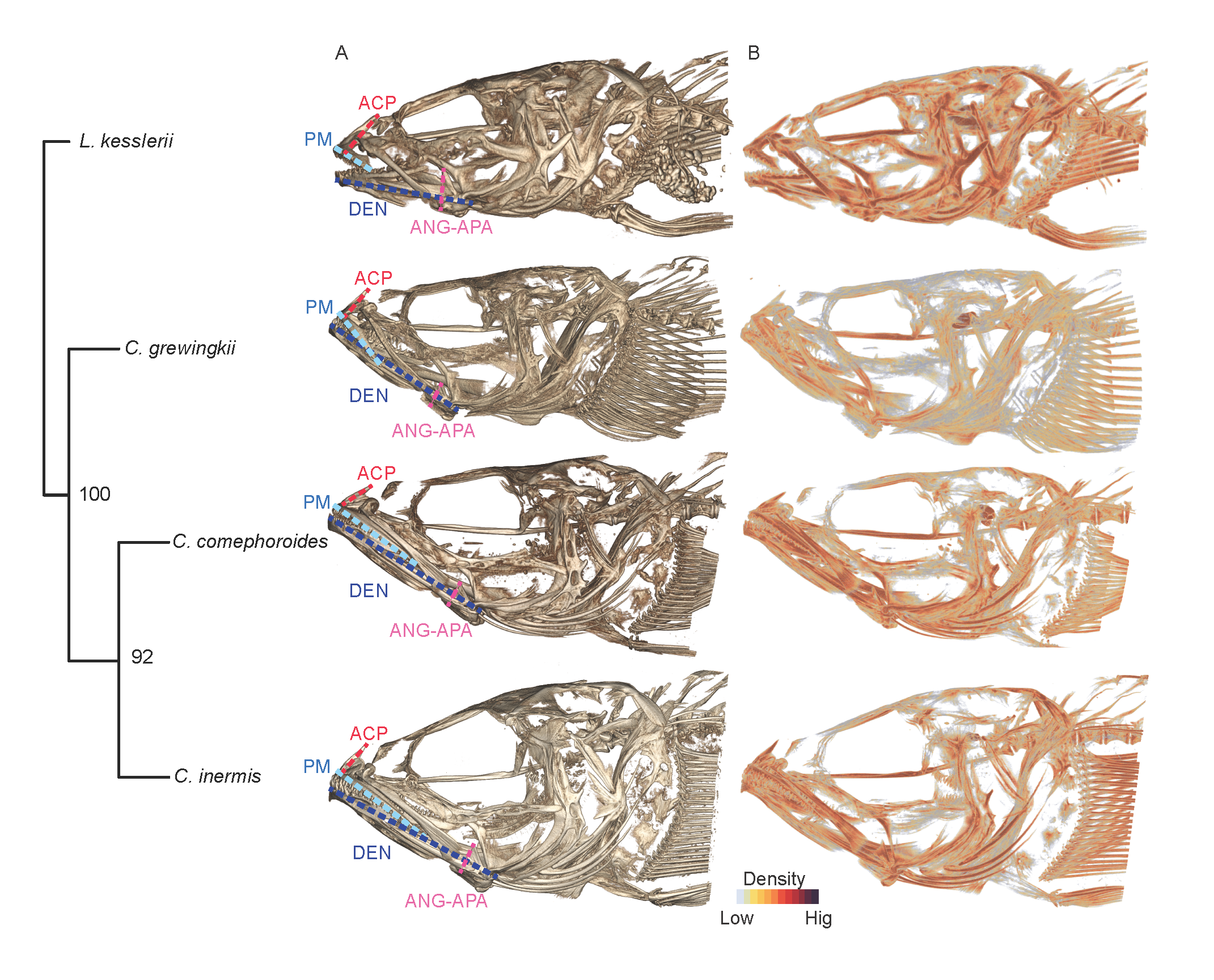 The Baikal sculpin radiation is a species flock of more than 30 sculpin species endemic to the Lake Baikal Basin in Irkutsk Oblast, Russia. They have diverged in the last ~2 million years, taking advantage of vacant niches in the worlds deepest lake. Among these species is the benthopelagic genus Cottocomephorus, one of only two Sculpin genera to invade the pelagic zone, the other being the Baikal Oilfish, Comephorus. Without a swimbaldder, these pelagic sculpins have reduced their skeletons and increased their fat storage to achieve neutral buoyancy. The taxonomy of Cottocomephorus was unresolved before I started my research. We found that Cottocomephorus encompasses 3 species which span a gradient from more benthic behavior to more pelagic. Their skull structure also reflects a transistion from feeding on benthic inverebrates to the pelagic Baikal amphipod, Macrohectopus branickii. Our finding fits into a larger pattern of fish speciation over depth gradients.
Convergent evolution of pelagic traits
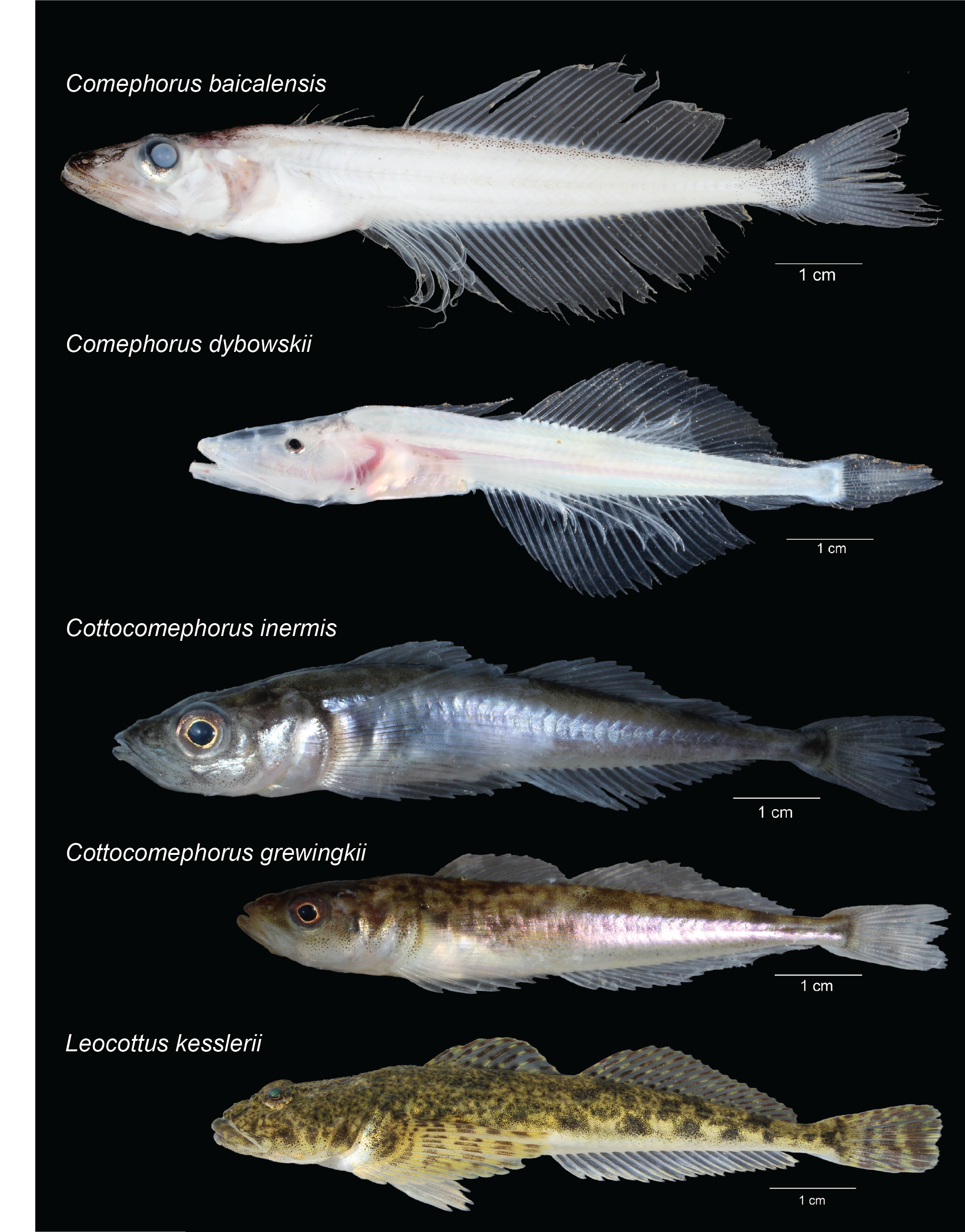 As stated, pelagic sculpins had to reduce their skeletons and store extra fat to achieve neutral byouancy and take advantage of the hyper-abundant prey Macrohectopus branickii in Lake Baikal. Interestingly, the two pelagic Baikal sculpin genera are not sister clades suggesting their adaptions to pelagic swimming are convergent. Our analysis of genes under selection in each lineage found 56 non-neutrally evolving genes within each lineage, 7 of which were shared. Among the shared genes were two collagen genes involved in bone development that are also under selection in the distantly related notothenioids, a clade with two pelagic genera that also lack swim bladders. These collagen genes may be part of a conserved mechansism for skeletal modification in fishes.